
Newborn Intensive Care Unit (NICU) in Bhiwandi
When a baby enters the world, it is meant to be a moment of joy. But sometimes, unexpected complications can turn this happiness into worry. Conditions such as breathing difficulties, prematurity, or infections can arise, leaving parents anxious and searching for the best possible care.
Globally, the World Health Organization reports that nearly 15 million babies are born prematurely each year, with complications from preterm birth being a leading cause of infant mortality. In India, around 3.5 million babies are born too soon every year, and many of them require specialized neonatal intensive care.
This is where a cutting-edge facility like Unicure Hospital in Bhiwandi with specialized Newborn Intensive Care Unit (NICU) plays a crucial role—providing hope, healing, and the reassurance that fragile lives are being nurtured in safe hands. Having an advanced NICU nearby ensures that these newborns not only survive but thrive.
Dr. Ammey G Gorey, an accomplished Pediatrician and Neonatologist in Unicure Hospital, explains:
“Parents often feel overwhelmed when their newborn requires intensive care. But with timely medical support, modern monitoring, and a compassionate team, even the smallest and most vulnerable babies can overcome difficult beginnings and grow into healthy children.”
Understanding NICU
Unicure Hospital, one of the top children’s hospitals in Bhiwandi, boasts a team of experienced and caring pediatricians who are experts in treating a wide range of conditions. Dr. Ganesh Gorey and Dr. Ammey G Gorey have extensive expertise as well as a passion for the well-being of children. They are determined to deliver the best care to the children of Thane and beyond.

Level I – Basic Newborn Care
Designed for healthy, full-term babies or those needing routine monitoring.
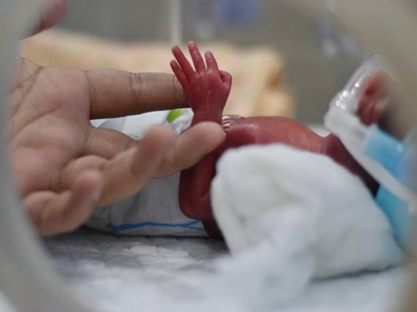
Level II – Special Care Nursery
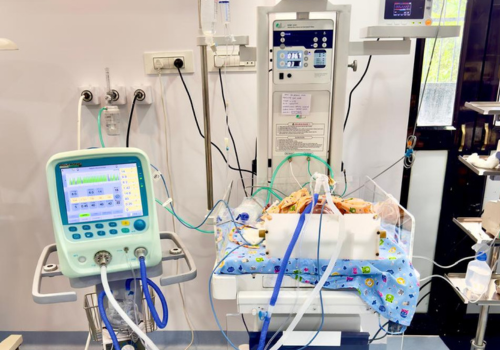
Level III – Neonatal Intensive Care Unit
Equipped to handle critically ill or very premature babies. It includes advanced ventilators, continuous monitoring systems, and specialized staff.
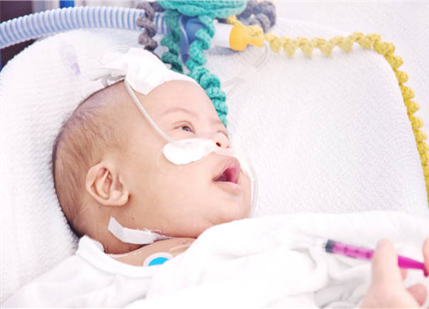
Level IV – Regional NICU
The highest level of care, often connected to teaching hospitals, capable of performing complex surgeries on newborns.
Dr. Ammey G Gorey, a dedicated Neonatologist in Bhiwandi, notes:
“Each level of NICU care is designed with a purpose. Parents should know that their child is in an environment that matches their medical needs—whether it’s basic monitoring or advanced life-saving interventions.”
Advanced Facilities for Newborn Care
Unicure Hospital offers one of the most advanced NICU facilities in Bhiwandi, combining modern technology with a nurturing environment. The setup is designed to support fragile newborns while giving parents peace of mind.
Key facilities include:
10-Bed NICU with Modern Ventilators – allowing simultaneous care for multiple babies with continuous respiratory support.
Portable Neonatal Ventilator Ambulance – ensuring safe transfers for newborns who need specialized care from the moment of emergency.
24×7 Monitoring Systems – every baby is closely observed for vital signs, ensuring timely interventions.
Child-Friendly Pediatric Wards – designed to reduce stress for both babies and parents.
Specialized Feeding Support – from assisted feeding for premature babies to guidance for mothers struggling with lactation.
Dr. Ammey Ganesh Gorey, a compassionate Pediatric Specialist in Bhiwandi, shares: “Technology alone cannot heal babies. It is the integration of advanced machines with skilled medical decisions and parental involvement that truly makes neonatal care effective.”
Concerned about your baby’s health needs? Consult a Pediatric and Neonatal Specialist to understand the right care plan for your newborn.
Specialized Care for High-Risk Newborns
Every newborn is unique, but some require extra attention right from the start. High-risk newborns include those born prematurely, with low birth weight, congenital conditions, or complications during delivery. At a Children’s Hospital in Bhiwandi like Unicure Hospital, such cases are handled with sensitivity and expertise.
Common conditions managed include:
Premature Births – requiring warmth, respiratory assistance, and nutritional support.
Respiratory Distress Syndrome – managed through ventilators and oxygen therapy.
Severe Infections – treated with targeted antibiotics and round-the-clock monitoring.
Birth Asphyxia – where immediate resuscitation and intensive care are essential.
Jaundice in Newborns – managed through phototherapy and continuous observation.
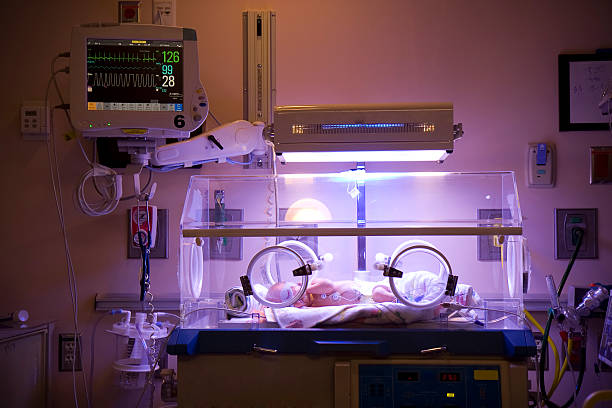
Dr. Ammey G Gorey, an insightful Neonatal Expert in Bhiwandi, emphasizes: “The earlier a newborn receives specialized intervention, the better the chances of recovery. Parents should never delay seeking neonatal intensive care if they notice signs of distress in their baby.”
Meet Our Specialists
At Unicure Hospital, families are supported by doctors who bring both expertise and empathy to every case.
Dr. Ammey G Gorey – A skilled Pediatrician and Neonatologist in Bhiwandi, known for his hands-on experience in managing premature and critically ill babies.
Dr. Ganesh Gorey – A pioneering figure in neonatal intensive care in the region, with decades of commitment to child health.
From Admission to Recovery – Your Baby’s Care Journey
Immediate Stabilization: Right after birth, the medical team ensures the baby’s breathing, heartbeat, and temperature are stable.
Continuous Monitoring: Vital signs are observed around the clock using advanced equipment to detect even the slightest changes.
Targeted Treatment: Specific conditions like infections, breathing issues, or feeding difficulties are managed with appropriate interventions.
Parental Guidance: Parents are encouraged to stay involved, learning safe ways to comfort and bond with their baby.
Safe Transition Home: Discharge happens only once the baby is strong enough to feed, breathe, and maintain growth independently.
Why Choose Unicure Hospital
Legacy of Trust – carrying forward over two decades of neonatal expertise.
Comprehensive Facilities – equipped to handle emergencies and complex neonatal conditions.
Family-Centered Approach – involving parents actively in the care process.
Emergency Preparedness – with 24×7 on-call specialists and neonatal ambulance services.
Holistic Child Care – extending beyond NICU into vaccinations, general pediatric care, and developmental support.
Connect with a Children’s Health Specialist to explore the best treatment options for your baby.